
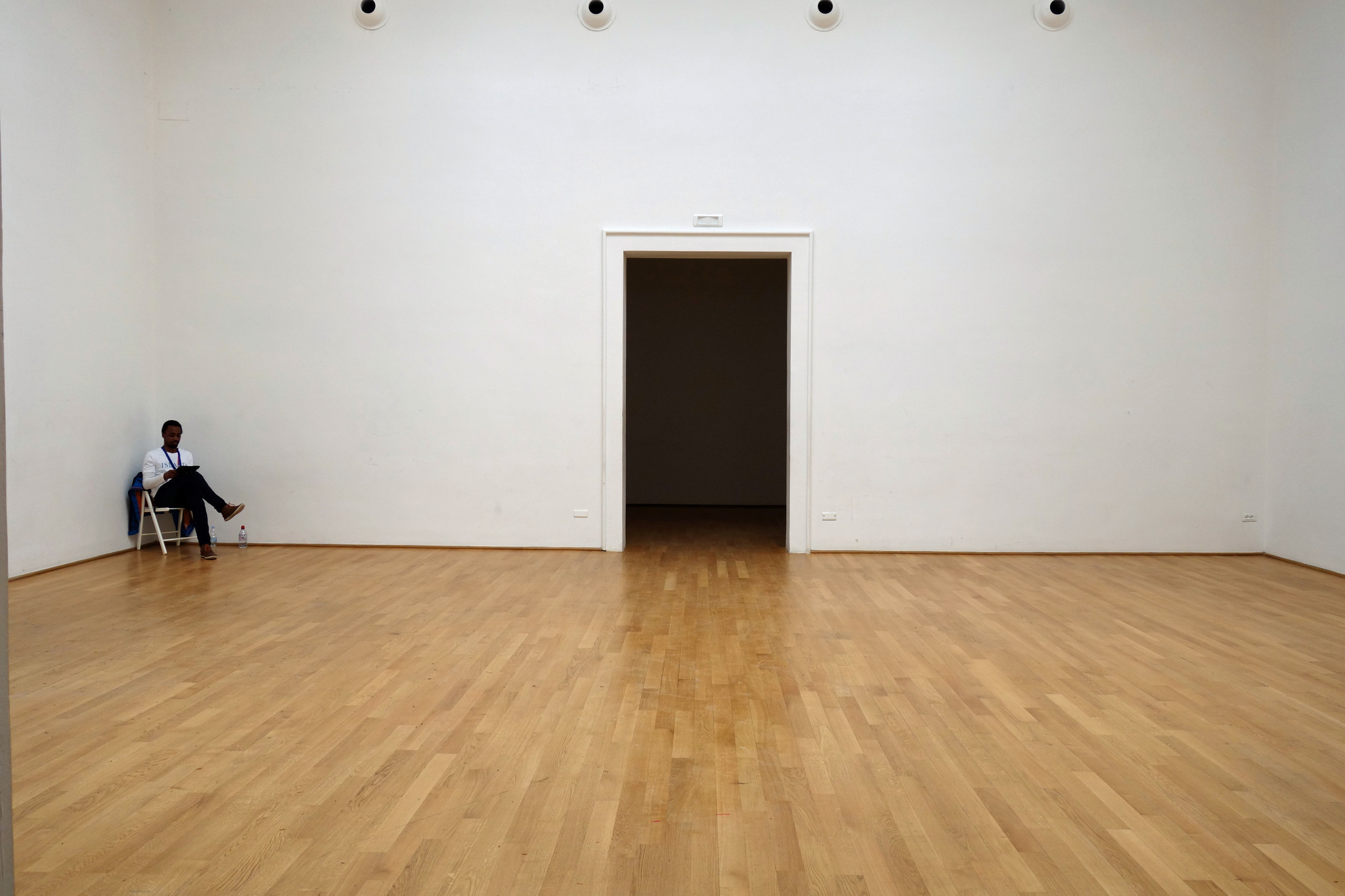
Interior of the British Pavilion, Venice.
This year has been one of relentless discussion and argument; one in which very few quarters have been given by either side in the Brexit debate so it would be nice to spend a few moments off the subject and think about beautiful things. Wouldn’t it? Yes, but actually no, sorry, not possible. Even when it comes to building, which tends to have much longer lead times, the issue of Britain’s impending departure from the EU has come into play.. The truth is that even if architects don’t know what to think yet beyond a certain despair, it is already inveigling its way into our built environment and needs to be addressed. Britain has foregone its quite clearly ill-founded reputation internationally for sang-froid and order and we might as well live with it.
Architecture has so far struggled to make mute commentary on the subject, Piers Taylor’s moronic outbursts notwithstanding. Given the high levels of disputation in the homeland, it was particularly odd that the British pavilion at the Venice Biennale stood totally empty apart from a scaffold on its roof. Of course, art should sublimate discussion, it shouldn’t merely represent it, otherwise a Grayson Perry jug would be the acme of art. However it needs to say something. The problem with the emptiness of the British pavilion was not that it was ambiguous or open, it was that its muteness was highly politicised. It was funereal in its emptiness and deliberately so. While in the UK, there was scrapping, fighting, screaming, the pavilion sat dumb. The ghost in the building was not the sound of all yesterday’s parties, but the ghost of an absent future. The curators were given an empty slate and all they could do was give back that empty slate.
The Biennale itself after all is a cultural institution that predates the EU and has been hosting international artistic dialogue since before Juncker was born. Surely it is in all our interests to emphasise these cultural relations? Criticised for daring to suggest that architects may need to work with private agents to create public utility, the main exhibition itself was a good show about the potential of architecture in straightened circumstances. The reality we live in is more akin to that depicted in the models of the Madrid-based architects Paredes Pedrosa who compiled vertical layers of laser-cut plywood to emphasise the linearity of their work (a library in Cordoba was particularly strong). Not simply an aesthetic gimmick, the technique was also an analysis of how public space is achieved by a kind of process of extraction; whereby public utility is carved out of the monumental block or the mundane streetscape or infrastructure; public or private, very similar principles applied.
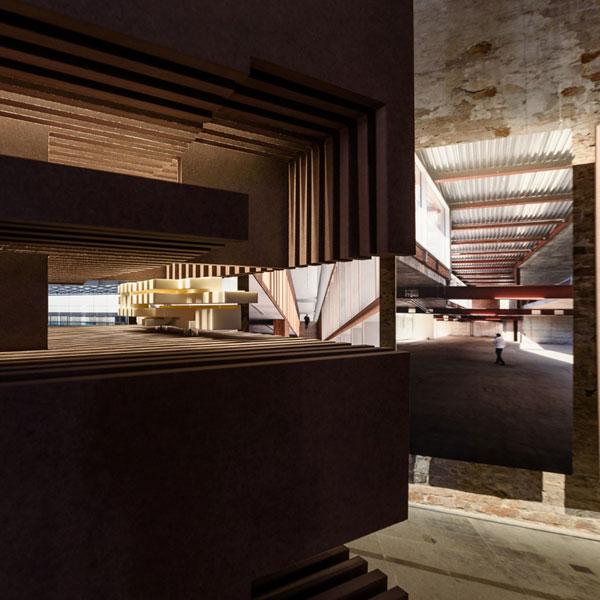
Paredes Pedrosa Model at the Venice Biennale
The opportunity for more space for architecture emerged in 2018 largely through the failure of what has hitherto existed. Just as the political class in the UK has outsourced certain decisions to the EU, so it has outsourced the delivery of those decisions from the public to the private sector, including some construction but a great deal of building maintenance. In January Carillion went bust and in December Interserve which employs 45,000 in Britain tanked on the stock-market. Britain once led the world in government outsourcing, whereby public services are contracted out to private companies. This simply cannot continue. This signals, particularly if Labour get in, a higher level of scrutiny on those contracted in the future. The opportunity to mandate higher quality of output as well as greater pay equity within contracted company exists. No wonder there is chaos. A government unused to governing in all manner of ways, is being compelled to do so.
And while in 2018, the faith in Britain’s ability to deliver big infrastructure projects which the 2012 Olympics had reaffirmed took a kicking, there were glimpses of hope. Sure Crossrail was disappointing architecturally but its engineering brilliance is assured, even if it is now delayed indefinitely due to the signalling. The selective accountancy around HS2 is finally unravelling as well. The sad fact is that the country needs improved regional rail services far more than 20 minutes shaved off the London to Birmingham journey. Oddly, behind all the headlines of criminally poor levels of delivery, in 2018, house building finally appeared to be working its way out of the crisis it has fallen into, largely through the ramping up of the National Planning Policy Framework. This year we saw numbers of local authorities finally delivering plans for local housing not just with rough figures, but also with deliverable timescales. Although threats by Sajid Javid to intervene where cash-strapped local authorities had still not produced a plan probably feels like bullying, it is the logic of the creation of local plans and the NPPF finally being fulfilled.
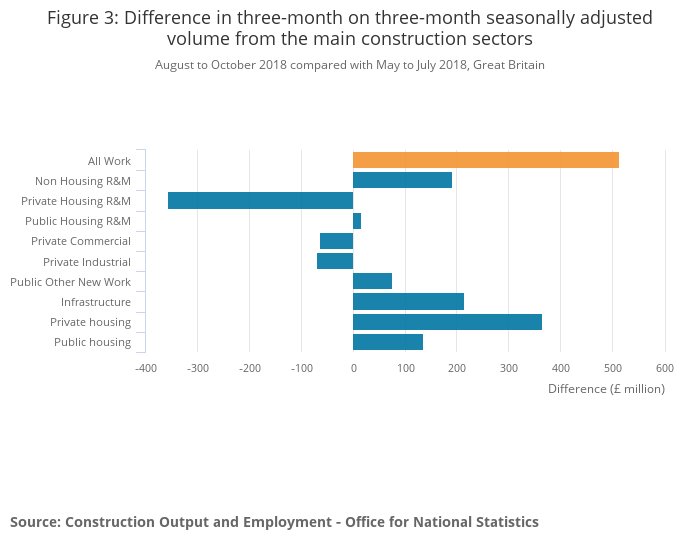
Last year only 43% of councils had yet to publish draft local plan. This year some important ones were finally produced. Belfast, for example, delivered theirs in 2018. Catering for a population growth of 66,000, it promised the delivery of 31,600 additional homes. There is an awful lot of arguing and assessment over the plans to be done, of course, but the crisis in planning applications is easing. This was caused by local authorities being gifted the opportunity to totally control housing numbers in exchange for delivering local plans. The way in which this was controlled meant that local authorities were empowered to refuse planning on whims without ever producing the plans. In addition, the delivery of Cameron’s Garden Suburbs schemes and Homes England’s support of delivering housing on public land, we are seeing phased payments to landowners rather than upfront one-off payments, meaning that public utility can be added to the delivery of homes. The structure of delivering large tracts of housing began to pay off in 2018.
Private housing is finally on the up, but as most of this is happening in a suburban or even exurban areas, a certain architectural truth is emerging. Looking at say the garden village in Bicester, one of the largest, it is clear just how much modernism has retreated to the city core in the last 20 years. Since Lord Rogers Towards an Urban Renaissance was published in 1998 the consensus in architecture has been to further constrain suburban development and to densify housing in urban areas in a contextual way. That this was treated as the whole solution to housing was incredibly naive and exacerbated the housing crisis in extremis. This anti-suburban approach has become orthodoxy since the late 1990s in architectural circles. It was a mantra of CABE the body charged with ensuring aesthetic standards were high and it is now so embedded into the teaching of architecture that to contest it, is seen as heresy.
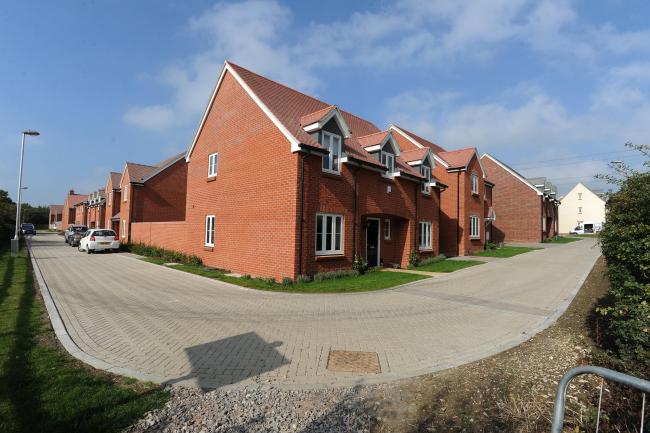
Tilbury Fields, Oxfordshire
The new Building Better Building Beautiful commission announced this year upset many contemporary architects, largely because Roger Scruton was appointed as its head. Scruton, a bit of a gobshite, has made numerous provocative remarks on all sorts of subjects including date rape and laid into modern architects many times down the year. But the establishment of the commission was in many ways an afterthought and he was a convenient fool, highlighting the fact that the traditionalist argument, the Poundbury argument was being won outside the cities. The new housing estate behind my house – a kind of bastard Poundbury – took its first real glut of new homeowners this year. The main problem with it is not the look – although it is not to my taste – the worst aspect is the utter disregard for the extra needs of transport, both car and pedestrian it creates, even of repairing the small roads the construction traffic has totalled. It sits like a leech on the old road and path pattern adding nothing. This and other estates like it cannot be the norm for the future.
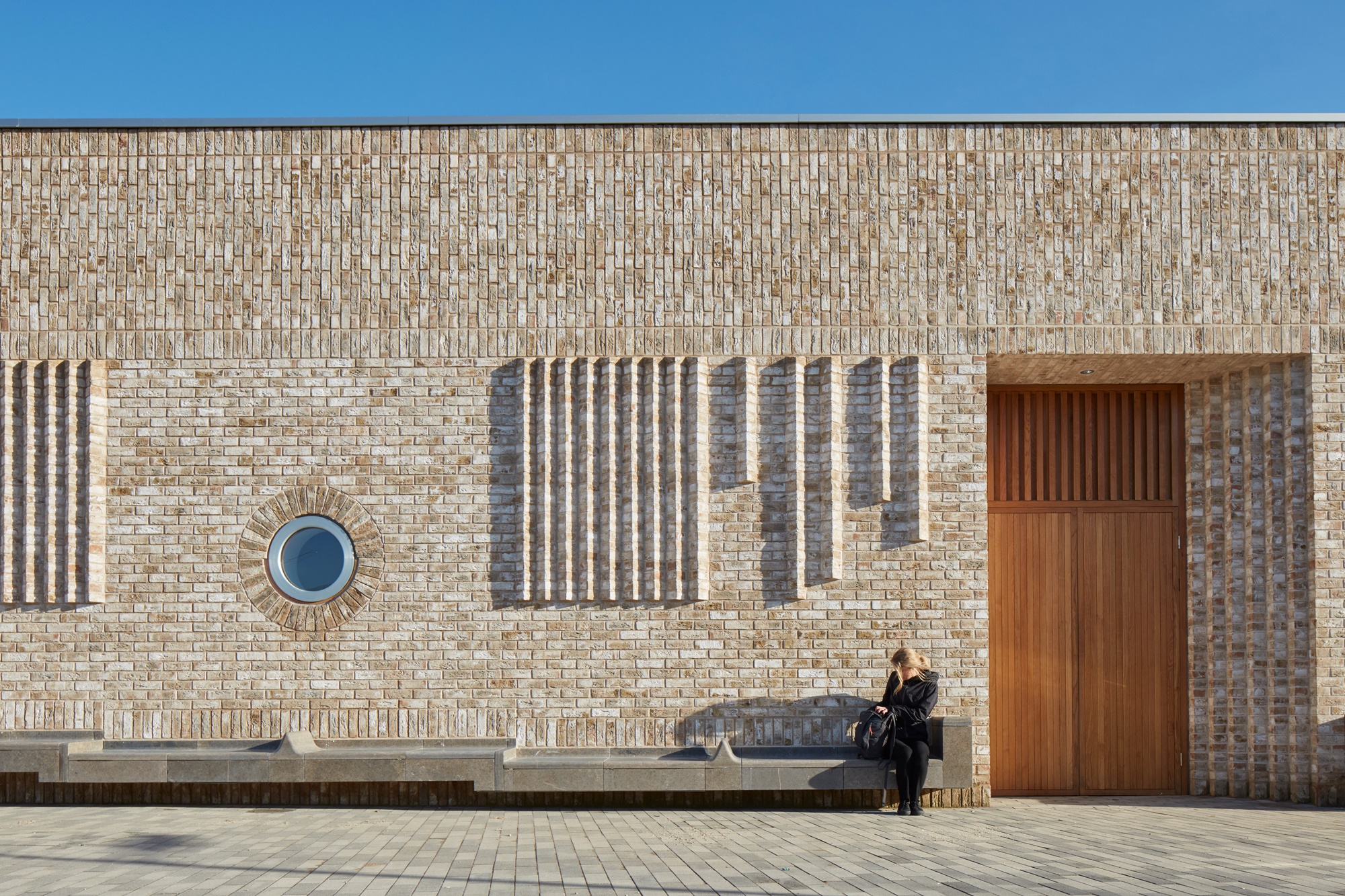
Storey’s Field Centre, NW Cambridge, by MUMA architects
One of the architectural high-points of this year was MUMA’s community centre and nursery in Cambridge getting big plaudits in loads of votes. (The fact that it was overlooked for the Stirling which was given to Foster’s Bloomberg actually made me LOL. One of those hearty, but world-sick LOLs but a LOL nonetheless.) These are the amenities that we should expect and demand from new development. It was part of a modest new urban centre, largely for academics in Cambridge, containing apartment blocks and townhouses. It was built on greenfield land with a new road system attached. There is much to debate still and much to demand. The disquiet of Brexit should be the beginning and not the end.

 cosmopolitan scum